 EntrePoker
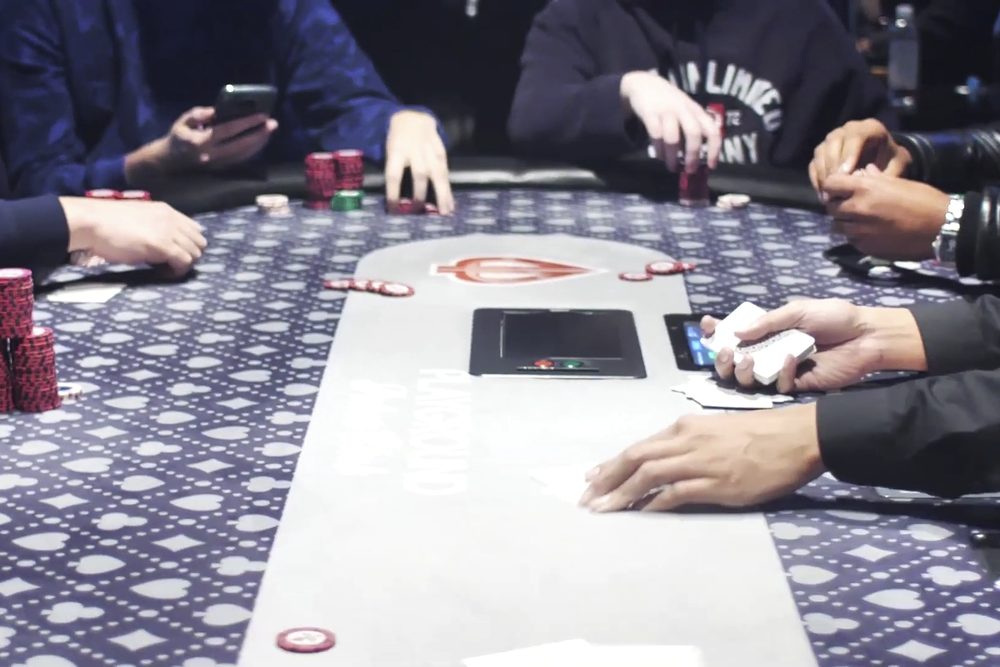
No other format in poker compresses the game the way heads-up does. Strip away the table of eight or nine players, the folding, the waiting, and you are left with two people, one deck, and nothing to hide behind. Every hand becomes a decision about the other person as much as about the cards.
That is why certain heads-up matches have outlived the tournaments or the software they were played on. They survive as stories, replayed clips, forum threads that are now fifteen years old. Some were televised on purpose. Others happened in a rented apartment or an online client at four in the morning, and became legend only afterward.
We are not ranking these matches by who played better poker. We are looking at why they still get talked about — what made them, beyond the hands themselves, worth remembering.
The made-for-television duel
The 1988 World Series of Poker Main Event ended with Johnny Chan against Erik Seidel, heads-up for the title. The hand that closed it — Chan slow-playing the nut straight against Seidel's top pair — became one of poker's most repeated pieces of footage a decade later, when it was recreated in the 1998 film Rounders. That single clip did more to introduce heads-up poker to a general audience than almost anything that came before it.
Television took the hint. Between 2005 and 2008, NBC ran the Heads-Up Poker Championship, a bracket tournament built entirely around one-on-one matches among established professionals — Doyle Brunson, Daniel Negreanu, Phil Hellmuth among them. It formalized something players already knew: heads-up is the format that rewards nerve and pattern-reading over raw hand strength, and it makes for better viewing precisely because there is nowhere for either player to hide.
The online reckoning
By 2009, the game's biggest heads-up battles had moved from felt to screen. Tom Dwan issued what became known as the Durrrr Challenge: a public offer, staked at $1.5 million, to play 50,000 hands of heads-up against any opponent willing to sit with him at very high blinds, played out over months on Full Tilt Poker. Patrik Antonius, Phil Ivey and Daniel Cates each took him up on parts of it. The challenge was never fully completed, but the hand histories were public, and an entire generation of players studied them like game film.
Then came Viktor Blom, known only by his screen name Isildur1, who appeared out of nowhere in late 2009 and challenged the biggest names in online poker — Ivey, Antonius, Brian Townsend — at stakes and volatility the game had rarely seen. Nobody outside a small circle knew who he was for weeks. The mystery, as much as the swings themselves, is what made it one of the defining episodes of the online era.
When the Main Event becomes a two-hander
The World Series of Poker Main Event has produced its own line of heads-up finals, each one carrying weight beyond the cards because of what it represented on television. Chris Moneymaker's run to the 2003 title, decided heads-up against Sammy Farha, is widely credited with triggering the poker boom that followed — an amateur who had qualified through a $39 satellite, outlasting a room full of professionals under lights.
Later heads-up finals rarely matched that cultural jolt, but each one added to the record: Jonathan Duhamel closing out John Racener in 2010, Ryan Riess against Jay Farber in 2013. These matches are remembered less for technical brilliance than for what a heads-up final table has always sold to an audience — the idea that anyone sitting down with a stack of chips could, in theory, end up in that chair.
The streamed grudge match
In 2020, Daniel Negreanu and Doug Polk played a heads-up freezeout that was less about a bracelet and more about a public disagreement between two eras of the game. Polk, who had built his reputation on high-stakes online play and later on commentary that was often sharply critical of established pros, faced Negreanu in a match with a side bet attached and an audience watching in real time.
The result mattered less than the framing: a live, streamed confrontation between the game's old guard and a newer generation that had learned poker through solvers and video rather than through decades at the table. It was heads-up poker doing what it does best — turning a disagreement into a spectacle with a clock running.
What makes a heads-up match worth remembering
- A stage — television, a livestream, or a Main Event final table with cameras already rolling
- Stakes that were public knowledge, not rumored, so the tension was verifiable
- A narrative outside the cards — generational, personal, or symbolic — that gave the match meaning beyond the result
- Some element of the unknown: a mystery opponent, an unfinished challenge, a result nobody could have predicted
- A record that survived — hand histories, broadcast footage, or a clip that kept circulating long after the match ended
Heads-up poker removes every hiding place; what is left is a duel of nerve as much as a duel of cards.
None of these matches promised anyone a living, and most of the players involved lost significant money on the way to whatever recognition they earned. What they offered instead was something rarer in poker's history: a moment stripped down to two people and a deck, watched by everyone else precisely because there was nothing left to hide behind.
If this is your lane, these go deeper: why position wins pots and reading your opponents. For more poker writing in English and Spanish, follow us on Facebook.