 EntrePoker
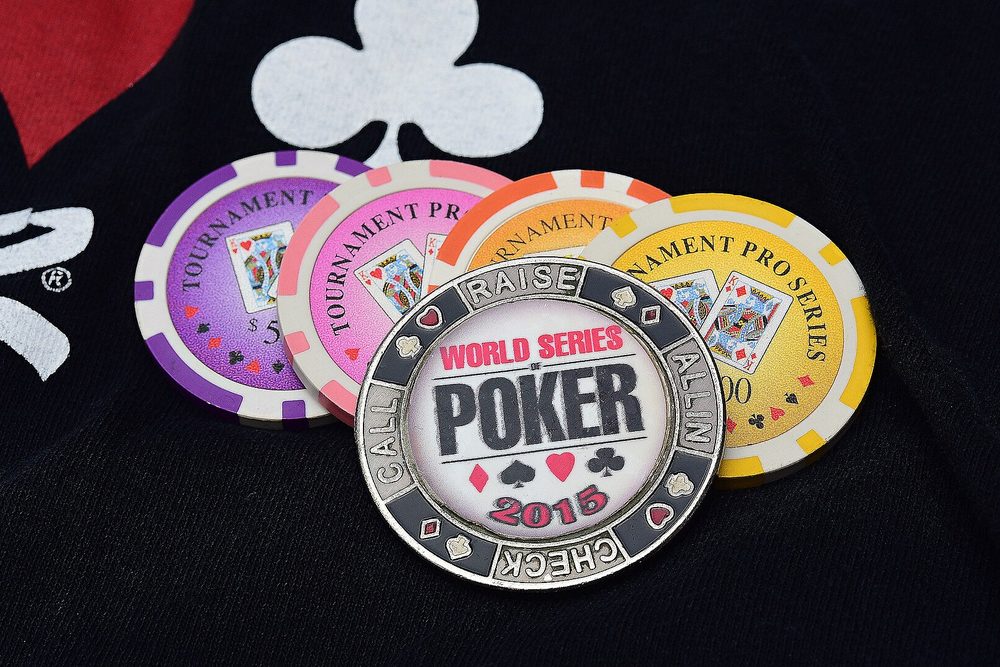
In 2008, the World Series of Poker did something no major sport had tried before: it stopped a championship in the middle of the final hand of play and told the last nine players to go home for the summer. They would return in November, in Las Vegas, to finish what they had started in July. The gap was not an accident of scheduling. It was engineered, and it lasted, in one form or another, for nine editions of the Main Event.
The idea had a name almost immediately — the November Nine — and it became one of the most recognizable pieces of branding poker ever produced. It also became, over time, a case study in how a smart television fix can outlive its usefulness once the technology around it changes.
This is a story about why the delay existed, what it actually produced on and off the felt, and why the WSOP eventually let it go.
Why the delay was invented
The context matters. After Chris Moneymaker's 2003 Main Event win turned online qualifiers into a cultural phenomenon, the tournament's field size multiplied within a few years, and ESPN found itself with an unmanageable amount of footage and an unmanageable format: a final table that could run into the early morning hours, broadcast on tape delay weeks or months later, with viewers who often already knew the outcome. Good television needs a structure — buildup, stakes, a climax — and a marathon final table filmed in a single overnight session did not offer one.
The fix borrowed a page from stick-and-ball sports. Stop the action once the field is down to nine, let the story breathe, and stage the conclusion as an event in its own right, in a slower month on the sports calendar, with players who had time to become recognizable characters rather than tired faces at 4 a.m.
How the November Nine worked, mechanically
Once the Main Event reached its final nine players, usually in mid-July, play stopped. Chip counts were frozen and published. The nine went back to their lives — day jobs, families, home countries in several cases — for roughly three to four months, then reconvened in Las Vegas for a televised final table produced with far more care than a live overnight broadcast could allow.
For the players, the gap was not simply a vacation. It reshaped their year. Several used the time to hire coaches and study specific opponents, something impossible in a same-day final table. Others fielded sponsorship offers, media requests and staking conversations they had never had to manage before, all while trying to protect a chip stack that represented, in some cases, a life-changing sum of money still sitting on the table.
- 2008 — Peter Eastgate, then the youngest Main Event champion in history at 22
- 2009 — Joe Cada, who broke that youngest-champion record again at 21
- 2010 — Jonathan Duhamel
- 2011 — Pius Heinz
- 2012 — Greg Merson
- 2013 — Ryan Riess
- 2014 — Martin Jacobson
- 2015 — Joe McKeehen
- 2016 — Qui Nguyen, the last champion crowned under the format
The golden years
For much of its run, the format did what it was built to do. Eastgate's and Cada's back-to-back youngest-champion storylines gave ESPN an easy narrative hook, and the extended gap let mainstream outlets outside poker media pick up the thread months in advance. Players arrived at the final table with sponsor logos, prepared talking points and, in some cases, hired mental-game coaches — the kind of professionalization that made poker read a little more like a mainstream sport and a little less like a card room.
It also gave poker something it had rarely had: a slow news cycle it could control. Instead of one long broadcast night, the WSOP had months of previews, profiles and predictions to distribute across its media partners, at a moment when the industry, still adjusting to the 2006 online-gambling crackdown in the United States, needed all the mainstream attention it could get.
The November Nine solved a broadcast problem from an era before anyone could learn the result of a poker tournament before the cameras did.
Cracks in the format
The same gap that gave ESPN room to build a story also gave the internet room to spoil it. Rail reporters, forum threads and eventually social media accounts routinely leaked payout results and eliminations in real time, months before the edited broadcast aired. A format built on suspense was competing with an audience that, increasingly, already knew who won.
There was also a fairness debate that never fully resolved. A short stack with months to study its remaining opponents' hand histories held an informational edge no live final table had ever offered, and not every player at the table had equal resources to spend that time productively. Add the real cost — travel, coaching, time away from other tournaments and sponsorship obligations — and the delay quietly favored players who could afford to treat those four months as a full-time project.
Why it ended
By 2017, the WSOP folded the final table back into July, separating it from the rest of the field by days rather than months. The timing was not coincidental. Streaming platforms had begun broadcasting major tournaments nearly live, hole cards included, which meant the taped-delay broadcast — the entire reason the November Nine existed — had lost the exclusivity that once justified it. Audiences no longer needed to wait for a polished autumn special; they could watch poker unfold as it happened.
There was a business calculation underneath the cultural one. Maintaining a second Las Vegas production months after the rest of the tournament had already paid out its field cost money and logistics that a shrinking November television audience no longer covered. A short break preserved a sliver of drama without months of leak exposure or the expense of a second full broadcast event.
The November Nine is a clean example of a media fix that was exactly right for its moment and increasingly wrong for the one that followed it. It answered a broadcast problem from a world without live streaming, and it stopped making sense once that world disappeared. What outlasted the format were the storylines it built along the way — a 21-year-old champion, a poker room briefly treated like a stadium, and a decade-long reminder that the way a game is broadcast can shape the game itself just as much as its rules.
If this is your lane, these go deeper: cash games vs tournaments and why position wins pots. For more poker writing in English and Spanish, follow us on Facebook.