 EntrePoker
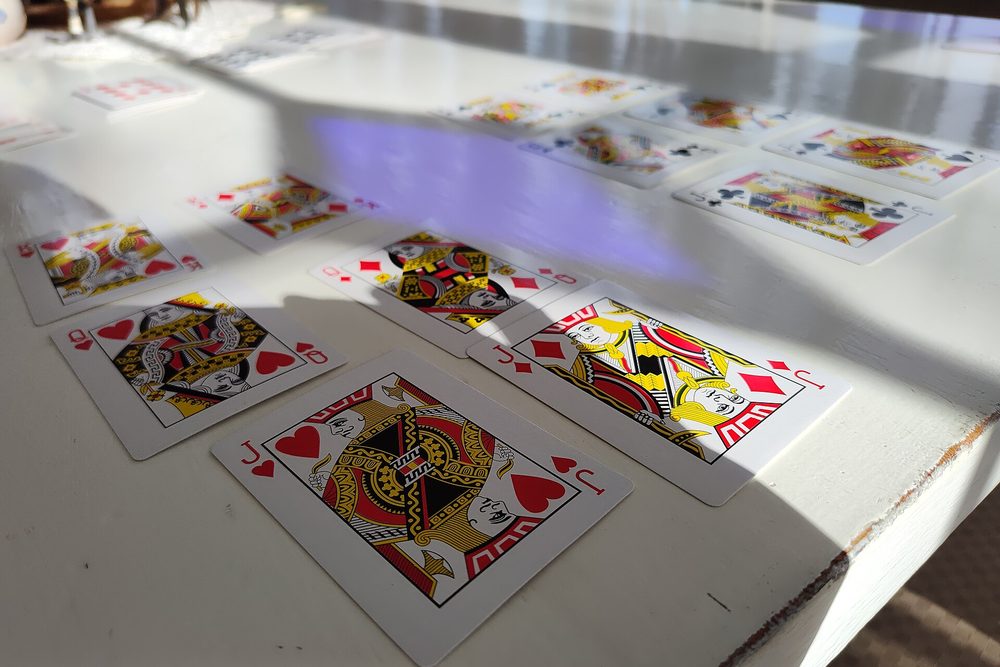
The moment the cards get set aside for a while
A handful of players make the final table, stacks start getting uneven, and at some point someone says the line: 'should we make a deal?' To someone who's never seen this firsthand, it sounds strange that players fiercely competing for money would suddenly start talking numbers instead of playing cards. But deal-making is a normal, accepted part of high-level tournament poker, and understanding the logic behind it helps whether you ever negotiate one yourself or you're just trying to understand why the final table you're watching suddenly grinds to a halt.
The core idea is simple: instead of playing out the remaining hands until only one winner is left per the original payout table, the players agree to split the money a different way, usually flatter, and either keep playing for a symbolic amount or the trophy, or end the tournament right there.
Why players would want to stop and negotiate
Variance at the final table of a big tournament is brutal. You can hold the chip lead with five players left and still finish out of the podium after a bad run of cards or a cooler. That uncertainty, combined with the fact that the money gap between first and fifth can be enormous, makes many players prefer locking in a more certain amount instead of playing the all-or-nothing that continuing under the original rules implies.
This is especially true for players who make their living from tournament poker: variance pays their bills very unevenly, and reducing that variance at key moments, even at the cost of giving up a bit of expected value, can be a rational decision from a personal financial standpoint, not just a mathematical one.
The two most common deal formats
- Chip chop (proportional split): each player gets a share of the remaining money based on what percentage of the total chips in play they currently hold.
- ICM deal: the independent chip model is used to calculate what each player's stack is mathematically 'worth' given their current position, factoring in the full payout structure, and the money is split according to that number.
- Hybrid deal: an agreement based on ICM is made while leaving a portion of the total money still in play, keeping some real competition alive.
A chip chop is simpler to calculate but less precise: it doesn't account for the fact that chips are worth different amounts depending on the payout structure — it just splits by chip count. An ICM deal is mathematically fairer because it does factor in that structure, but it requires a calculator and everyone trusting the number it produces, which isn't always easy to coordinate in the moment.
What to weigh before accepting a deal
If you're ever in that spot, the central question isn't whether the deal sounds good in the abstract, but whether the number offered is better or worse than your expected value playing the tournament out under the normal rules. That depends on factors beyond pure math: do you have a real skill edge over the remaining opponents? If so, you might be better off continuing than accepting a split that doesn't reflect that edge. Are you tired, physically or mentally, after hours of play? That's also valid information for your decision, even though no calculator accounts for it.
A final table deal isn't giving up — it's recognizing that certainty is sometimes worth more than chasing the maximum possible outcome through heavy variance.
What you should never accept without checking
Never accept a deal number just because it 'sounds reasonable' or because the player proposing it seems confident. Ask to see the calculation, even a simple version of it, and if there's doubt, ask for time to have someone verify it with an ICM calculator before signing off on anything. Final table deals tend to be fair because everyone involved has an incentive for them to be — nobody's going to agree to a number that clearly hurts them — but that doesn't mean it isn't worth understanding where the number comes from before saying yes. Understanding this dynamic, even if you never negotiate one yourself, gives you a much fuller read on what's actually happening when you see a final table suddenly stop mid-broadcast.
If this is your lane, these go deeper: pot odds and equity and reading your opponents. For more poker writing in English and Spanish, follow us on Facebook.