 EntrePoker
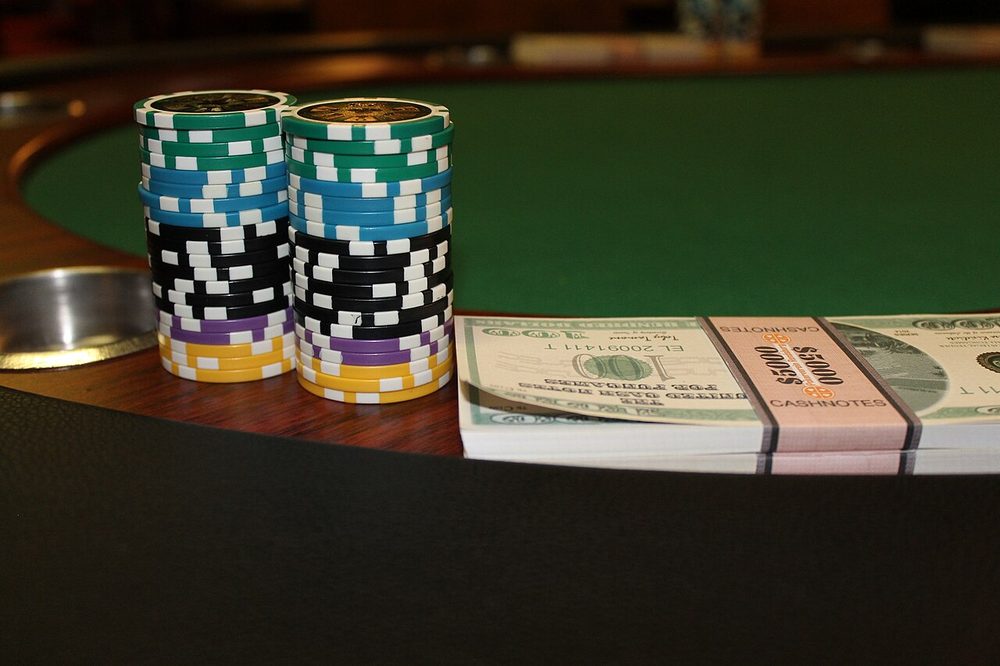
Every poker festival sells itself on one number: the buy-in. A $500 opening event, a €1,100 main, a $10,300 high roller. That number is printed on the banner, the schedule, the sponsored post. It is also, reliably, the smallest part of what a player actually spends to be in the room.
We have watched this gap for years in Latin America and beyond — the distance between the advertised entry fee and the total cost of attendance. It is not a secret, exactly. Nobody is hiding the price of a hotel room in Cancún during a festival week. But it is also not a number anyone in the industry volunteers, and that silence does a disservice to players who budget around the buy-in and discover, usually around day three, that the buy-in was the easy part.
This is not an argument against playing live. It is an argument for doing the arithmetic before you book the flight.
The buy-in is the entry fee, not the budget
Start with the structure everyone understands: a $500 event has a prize pool built from entries, minus a rake that typically runs 10 to 12 percent for the house and sometimes a small staff or charity allocation. That math is public and, for the most part, honest. What it does not include is everything that happens before you sit down and after you bust.
A festival trip has at least five cost layers, and buy-ins are only one of them. Travel. Lodging. Food. Incidentals — tips, transport, the WiFi you did not budget for. And then, for anyone who wants to play more than one event, a bankroll cushion that absorbs variance, because a single buy-in with no re-entry plan is a bet on a good day, not a budget.
What the week actually adds up to
Take a mid-size regional festival, the kind that runs six or seven days with a $500–$1,000 main event. We are not naming a specific tour or venue, because the numbers shift by city and season, but the shape of the spend is consistent enough to lay out.
- Airfare: international travel to a festival hub commonly runs $300–$900 round trip, more from secondary cities or on short notice.
- Lodging: festival host hotels raise rates during the event. A room that runs $80 a night in low season can run $150–$220 during the series, for seven nights.
- Food: casino and resort food is priced for convenience, not value. $40–$60 a day is a realistic floor if you are eating three meals near the venue.
- Buy-ins: a player entering three or four events across the week, including one or two re-entries, can spend $1,500–$3,000 on tournament fees alone.
- Incidentals: tips, local transport, resort fees, laundry, the cash game you did not plan on — budget another $200–$400.
Add it up and a modest festival week, played conservatively, lands somewhere between $2,500 and $5,000 once travel from outside the host country is involved. That is before any cash games, before side bets with friends, before the extra night you stay because you are still alive in the main event on day four.
The buy-in is the number on the flyer. The trip is the number on the credit card statement.
Why the industry doesn't say this out loud
There is no conspiracy here, just an incentive structure. Festivals are marketed by tours, casinos, and tourism boards, and each of them has a reason to emphasize the glamor side of the ledger — the guaranteed prize pool, the final table, the city — and a reason to stay quiet about the hotel block rate that triples during the series. Resorts raise prices because demand genuinely spikes; nobody in that chain is required to publish a total-cost-of-attendance estimate, and almost none of them do.
Staking and swapping culture, which is common in the live tournament world, adds another layer of opacity. A player who sells pieces of their action to cover a buy-in is managing real financial risk, and that risk is rarely discussed in the celebratory recap posts that follow a festival. The person who final-tabled made headlines. The eleven people who staked entries and did not cash are invisible in that story, and so is the money they put at risk.
The questions worth asking before you book
None of this means festivals are a bad idea. It means they deserve the same pre-trip budgeting as any other discretionary travel with a built-in chance of losing money — because that is what a tournament buy-in is, by definition: a fee paid for a chance, not a purchase with guaranteed value.
- What is the total I am willing to lose this trip, including travel and lodging, not just buy-ins?
- Am I treating re-entries as part of that fixed number, or am I likely to chase?
- Does the host hotel's event-week rate actually save me money versus staying off-site, once transport is factored in?
- Am I budgeting food and incidentals separately, or assuming they will be small?
- If I bust on day one, what does the rest of the week cost me — and is that trip still worth taking?
That last question is the one most players skip, and it is the one that matters most. A festival week built entirely around the hope of a deep run is not a budget, it is a plan with one branch. The players we respect most in this space are the ones who have already priced out the version of the week where they bust early, and who still think the trip was worth taking.
A number worth printing somewhere
We would like to see festivals, or at least the press that covers them, start publishing a rough total-cost-of-attendance figure alongside the buy-in — not a guarantee, just an honest regional estimate of flights, a mid-range room, and meals, the way travel outlets already do for destination weddings or marathons. It would not hurt attendance. It would just let players arrive with their eyes open.
Until that becomes standard, the job falls to the player: price the whole week, not just the table fee, and decide from there whether the trip makes sense. The buy-in was never the cost of the festival. It was just the cover charge.
If this is your lane, these go deeper: reading your opponents and why position wins pots. For more poker writing in English and Spanish, follow us on Facebook.