 EntrePoker
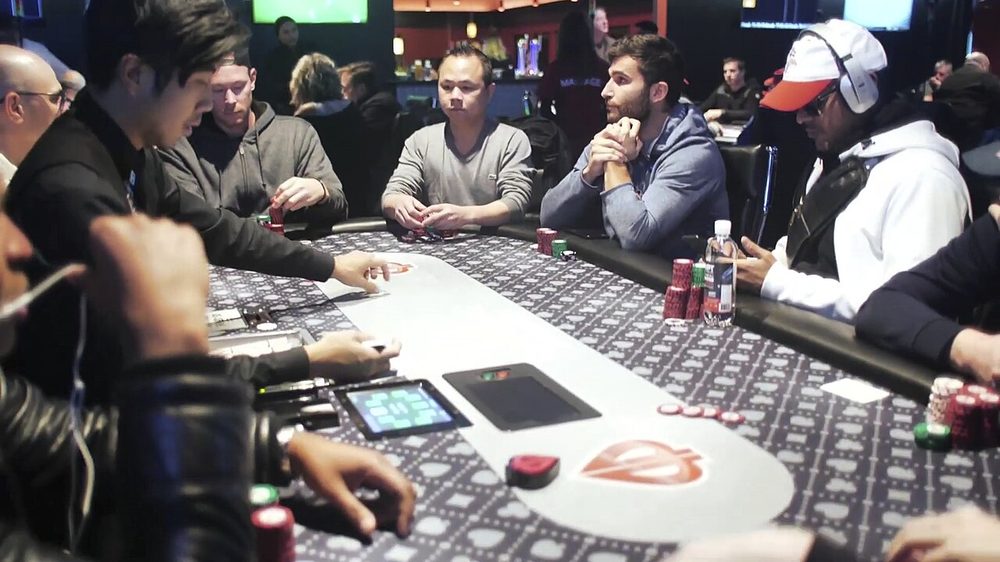
Think about your last session. You probably remember the hand where you lost with a made flush and the opponent who called everything with a low pair. You probably do not remember the twelve hands you played badly that cost nothing. Memory picks the emotional ones, and those are the least useful for getting better.
Why a journal changes how you study
A session journal is not a profit spreadsheet. It is a way to see your own game from the outside. When you write things down while they are fresh, patterns start to show: the same mistake in the same kind of pot, weaker play after the second hour, trouble folding when you are stuck.
After a few weeks, your own notes tell you what to study, instead of picking a topic by gut feeling or because a friend saw a video about it.
The minimum worth writing
If the journal takes too much effort, you will drop it within three days. Start with five lines a session and add detail only if you actually use it.
- Date, format and length of the session, with the time you started.
- Your state before sitting down: tired, rushed, wanting to win something back.
- Two or three hands you want to review, with the spot in one sentence.
- One decision you made well and want to repeat.
- One decision you would change, and why.
Record your mental state too
Many mistakes that look technical start in your mood. If you note that you sat down in a hurry or with your mind elsewhere, over time you will see which sessions give you trouble. That information is worth as much as any range analysis.
A simple one to five scale for focus at the start and the end is enough. When the score drops under three and you keep playing, the journal shows what that choice really cost.
How to flag hands for later
You do not need to save everything. Pick hands where you hesitated, where you did not understand why an opponent acted as they did, or where you felt you were losing control. Write down the position, the stack sizes, the action on each street and, above all, what you were thinking at that moment.
That last detail is the most valuable. If your reasoning was 'I need to win something' or 'he must be bluffing', when you review you will see whether the read had any support or was an emotion dressed up as logic.
A twenty-minute weekly review
Once a week, read all the entries in a row. Underline what repeats: the same type of hand, the same hour, the same mood. Choose a single topic to study for the next few days, such as defending the big blind or handling the pot after a continuation bet.
Choosing one topic avoids paralysis. Week by week, each one closes a small leak, and the journal becomes a record of what you have already learned.
What to do with results
You can write down each session's result if it helps, but do not use it to judge your decisions. In the short run variance dominates, and a winning session can hide poor choices just as a losing one can contain excellent play. If results bend your judgement, keep them in a separate sheet and leave the journal for process.
A healthy limit for the journal
The journal also looks after you. If you notice sessions getting longer, playing to chase losses or the game pushing other things out of your week, treat it as a sign to stop and talk to someone you trust. Poker is more enjoyable with a clear head and a budget you can lose without consequences.
18+ | Play responsibly. This content is educational and does not promote real-money gambling.
If this is your lane, these go deeper: bankroll management and reading your opponents. For more poker writing in English and Spanish, follow us on Facebook.
EntrePoker has affiliate agreements with two rooms today: Americas Cardroom, on the WPN network, and WPT Global. Every other room we cover is a plain link to its own site.
Visit Americas Cardroom Visit WPT Global
18+ Affiliate links: if you sign up through them, EntrePoker may earn a commission at no extra cost to you. It does not change what we write. Full disclosure · Responsible gaming