 EntrePoker
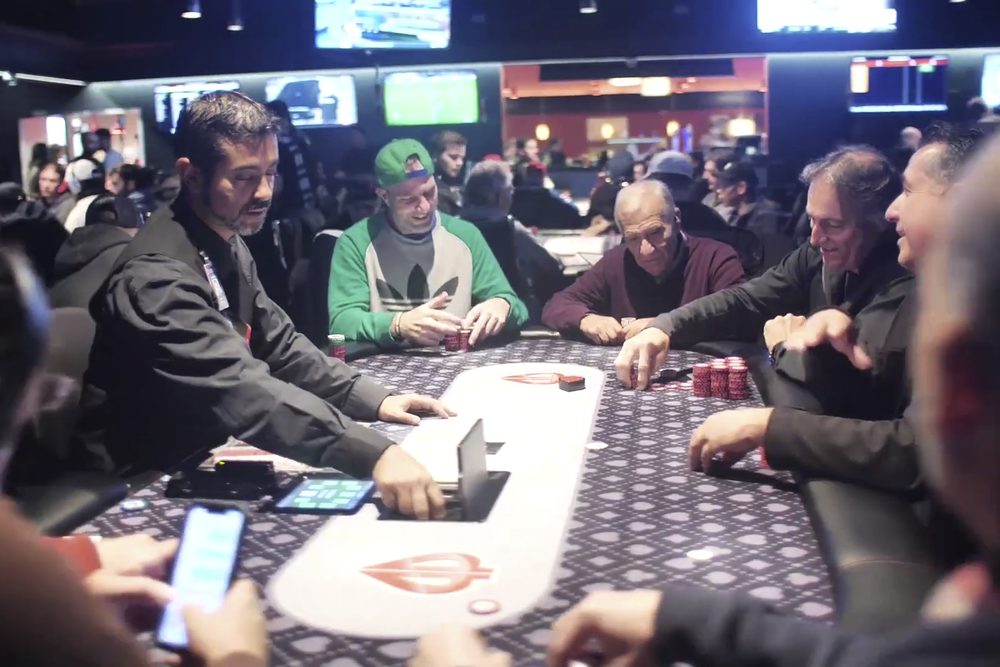
Chips already in the middle
You're in the big blind, you've already posted before seeing a single card, and an opponent opens from a middle position. You look at your hand: nothing special, but not total trash either. The question that comes up automatically is simple: call, raise, or fold? Most newer players answer it too rigidly in both directions — either they defend everything because 'I already put money in,' or they fold anything short of premium because 'I'm out of position.' Both approaches cost money.
The big blind is a special spot: it's the only position where you've already invested chips before the action even starts, and that gives you a real discount on the price of continuing. But it's also the position where you'll play out of position for the rest of the hand, street after street. Balancing those two forces is the heart of a good big blind defense.
Why 'I already put money in' isn't a reason to call
The most common mistake is treating the chip already posted in the big blind as if it's still yours and calling to 'avoid losing it.' That money is already gone from your stack — it's the pot's, not yours. The only relevant question is whether calling the rest of the raise is a good investment from this moment forward, not how much you already put in before.
That said, that prior contribution does matter for the math, just not as sentiment — as pure arithmetic. It gives you better pot odds to call than you'd get in any other position, because part of the cost of entering the hand is already paid. That means your big blind defending range should be wider than in any other seat, not out of loyalty to the chip already posted, but because the real price of continuing is cheaper.
The hidden cost: playing out of position
The discount on the entry price isn't free. You'll play every following street acting first, without knowing what your opponent will do before you decide. That costs you control, costs you clarity, and turns many hands that would be comfortable in another position into hands that are hard to manage postflop.
That's why the real exercise of defending the big blind isn't just checking whether the pot odds work out mathematically. It's asking whether this specific hand can actually be played well out of position against that particular opening range. A hand that makes good draws or can form a decent second pair defends better than a hand that only works if it hits perfectly.
Which ranges to defend wider against, and which tighter
Not everyone who opens is the same. An opponent opening from a very early position with a tight range is showing real strength, and there it's worth being more selective even if the pot odds look fine. An opponent opening wide from the button or cutoff has a much wider, weaker range, and that's where your big blind discount pays off most: you can defend more marginal hands knowing the opponent's range gives you plenty of room to exploit postflop.
Adjusting how wide you defend based on who's opening, rather than a fixed rule, is what separates a profitable defense from an automatic one that bleeds chips over time.
Signals to weigh in the moment
- How wide is this specific opponent's opening range from this specific position?
- Does my hand have real postflop potential — draws, a decent second pair — or does it only work if it hits the exact flop it needs?
- How much is it actually costing me to continue, given what I've already put in the pot?
- Does this opponent play well postflop, or do they make mistakes I can exploit if I defend?
In the big blind you're not deciding whether to throw away money that's already yours. You're deciding whether the rest of the hand, played out of position, is worth starting to play at all.
The balance you're looking for
Defending too little in the big blind hands out free value to any opponent who notices the pattern and starts opening wider against you. Defending too much drags you into uncomfortable postflop spots with hands that never should have been there. The sweet spot isn't a fixed formula — it's paying attention to who's opening, how often, and whether your hand can actually play well from behind. With that attention, the big blind stops being the position where you give away chips out of habit and becomes a spot where you defend with judgment.
If this is your lane, these go deeper: cash games vs tournaments and pot odds and equity. For more poker writing in English and Spanish, follow us on Facebook.