 EntrePoker
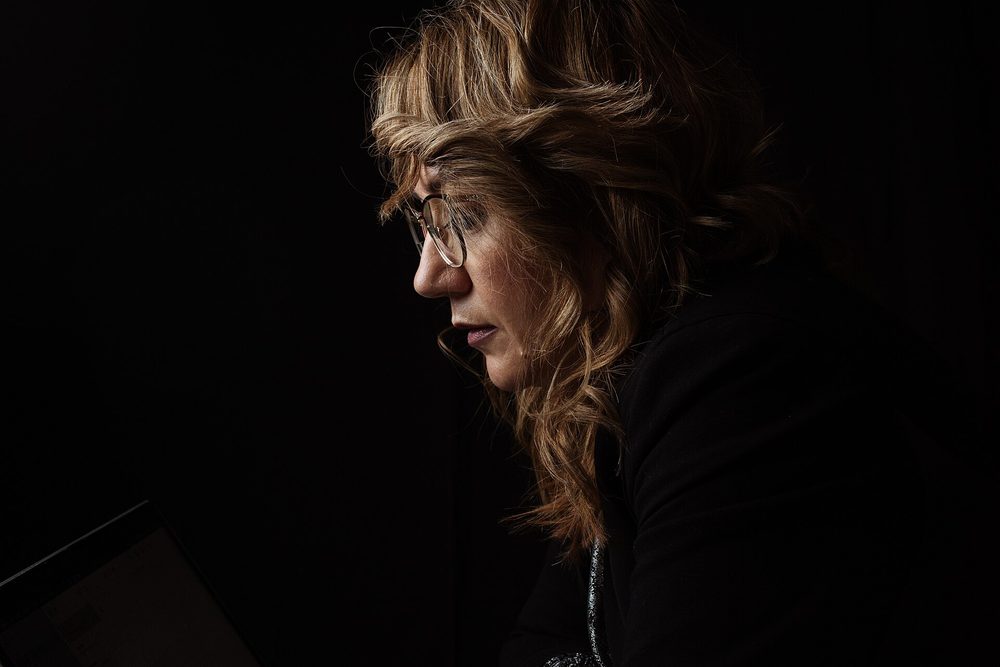
The image is old by now: a player alone in a room at four in the morning, six tables open, headphones on, the rest of the house asleep. Poker writers have described that scene since the first online boom in the early 2000s, and it has not stopped being true. The structure of the job has not changed much since then, and neither has the cost it imposes on the people who do it.
We want to be careful here, because this is a topic where it is easy to slide into either romanticizing the grind or pathologizing it. Neither is honest. Some people play long solitary hours and are fine. Others are not, and for years the game offered them no vocabulary for saying so.
Why the isolation was built into the job
Professional poker, especially online cash and tournament grinding, has a structure that works against ordinary social life. The hours are whatever the games are good, which often means nights and weekends, exactly when everyone else is free. The work is solitary by design: multi-tabling means attention turned inward, not outward. And the income is irregular enough that many players feel they cannot take a week off without falling behind, so the hours compound rather than ease over time.
Live play looks less lonely on the surface, with a table of eight or nine people and a card room full of noise. But grinders who travel the tournament circuit describe a version of loneliness that is arguably sharper: hotel rooms in cities they do not know, acquaintances rather than friends at the table, and a schedule dictated entirely by where the next series is being held. Writers on the traveling pro's life have described this particular cost for as long as the circuit has existed, and little in the structure of that life has changed since.
The game never asked players to be alone. It just never built anything to stop them from staying that way.
What a shift would actually look like
If this problem is ever going to get smaller, it will not be through a single fix. It will be through a scatter of small adjustments, the kind that are easier to imagine than to document, because an industry usually starts admitting a problem exists long before it admits how big the problem is.
- Break reminders and session-length prompts built into software, as part of a broader pattern of responsible-gambling tools that regulators in several markets have pushed for over the past few years.
- Informal spaces, online or in person, where players can talk about downswings and schedule burnout separately from strategy discussion.
- Quiet areas set apart from the main floor at live events, a small but meaningful acknowledgment that not every break a player needs is about studying the next hand.
None of this would amount to the industry solving loneliness. At best it would amount to scattered, uneven signs that the isolation built into the grind is starting to be treated as structural, rather than simply a personal failing of players who cannot handle the lifestyle.
The difference between solitude and loneliness
It is worth separating two things that get collapsed together. Solitude is time alone that a player chooses and that serves the work: reviewing hands, studying ranges, resetting after a bad session. Professionals have always needed this, and no amount of community building should take it away from them. Loneliness is different. It is the absence of the relationships that solitude is supposed to be a break from, and when a player's entire week is solitude with no counterweight, solitude stops being a tool and starts being the whole of their life.
The grind is easier to sustain for players who protect something outside the game: a training routine, a partner who is not also a player, a friend group with no interest in poker at all. That is not a strategy tip. It is closer to a maintenance requirement, the same way sleep or diet is a maintenance requirement for the body.
What this is not
We should say clearly what this piece is not arguing. It is not arguing that poker is a reliable way to build a life, financially or otherwise. The income is irregular by nature, and anyone treating a poker career as a stable substitute for traditional work is taking on a risk that goes well beyond loneliness. It is also not arguing that every solitary hour at the tables is harmful. Plenty of people enjoy quiet, focused, repetitive work, and poker offers that in a way few other activities do.
What matters here is narrower and more useful than a verdict on the lifestyle itself: a growing willingness, from several directions at once, to say that the structure of the job produces isolation as a side effect, and that side effect deserves attention separate from bankroll management or hand analysis.
What still has not been fixed
Break reminders in software do not address the hours themselves. Informal support channels depend entirely on who happens to be active that week. Quiet spaces at live events help for a few days a year, not for the months in between. None of these small interventions change the basic economics that push a player toward odd hours and long solo stretches at the tables.
What matters is smaller than a fix but larger than nothing: it is a little easier, inside the poker world, to say that the grind is lonely, without that statement being read as a complaint about the game itself. For an industry built for decades on a certain stoicism about the costs of the work, that is worth noticing, even if it changes nothing about the hours themselves.
If this is your lane, these go deeper: cash games vs tournaments and bankroll management. For more poker writing in English and Spanish, follow us on Facebook.