 EntrePoker
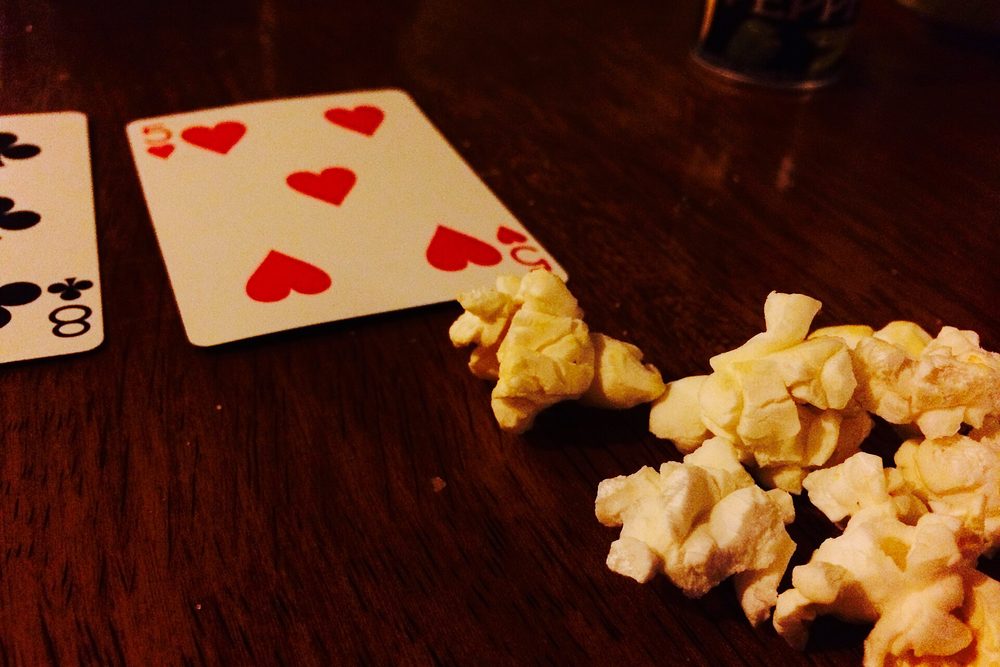
You are in the big blind, you called a button raise and the flop comes 8-7-3 with two clubs. You hold 8-7. You check, your opponent bets a third of the pot like they always do, and now comes the decision that separates players who survive out of position from the ones who slowly bleed: call or raise? That raise after checking is the check-raise, and it is probably the most underused tool in low-stakes poker.
What it is and why it exists
A check-raise means checking first and, when your opponent bets, raising their bet. Some home games still treat it as bad manners. It is not: it is legal in every serious room and, above all, it is the only way to take the initiative back when you are out of position.
The problem with being out of position is that you act blind. If you lead, your opponent decides with more information than you have. If you check and call every time, you hand them control of the pot and let them bet whichever streets they like. The check-raise breaks that pattern: you let your opponent put money in with their wide continuation range, then force them to decide against a much bigger bet.
Check-raising for value: charging the player who bets too much
The simplest case is a strong hand against an opponent who bets whenever checked to. Against that profile, leading is a mistake: you give them the chance to fold their weak hands. Checking and raising charges their whole betting range, which includes air, draws and medium hands that will not fold to a single bet.
The hands that work best dominate the board without being so vulnerable that you are praying nobody catches up: two pair, small sets, made straights on dry boards. On that 8-7-3 two-club flop, two pair is a clear check-raise: plenty of turn cards hurt you, and plenty of your opponent's hands will pay you today but not tomorrow.
- Opponents who c-bet almost always: they are the best targets.
- Boards with draws: you get paid now, before the bad card arrives.
- Strong but beatable hands: you want to build the pot while you are ahead.
- Tables where your opponent cannot fold top pair: the check-raise prints chips there.
Check-raising as a bluff: the semi-bluff is the version that works
A pure-air check-raise bluff is expensive and rarely needed at low stakes. The version that works is the semi-bluff: you raise with a draw that has plenty of cards to win if you get called. A flush draw with an overcard, an open-ended straight draw, combo draws. If they fold, you win the pot now. If they call, you still have outs.
The reason to mix draws into your check-raising range is not aesthetics. If you only raise monsters, any attentive regular starts folding everything but the near-nuts the moment you check-raise, and your strong hands stop getting paid. Draws make the play credible, and the play gives your strong hands their value.
When not to do it
The check-raise has a cost: it builds a big pot out of position. That is fine when you have a plan for the turn and a disaster when you do not. There are spots where simply calling is better.
- Against opponents who only bet when they have something: only hands that beat you will call your raise.
- With medium hands like top pair, weak kicker: raising turns your hand into a bluff against the hands that call.
- With short stacks where the raise commits you by accident: treat it as an all-in and decide whether you want that.
- On very dry boards where your opponent gives up most of their air anyway if you call and bet the turn.
Sizing: bigger than you think
A common mistake is the min-raise. If your opponent bet a third of the pot and you raise to double, you give them such a good price that almost anything calls and your bluffs get no folds. A typical size is around three times the opponent's bet, a little more when the bet was small and the board is drawy. The raise should cost enough that folding is a real option for the weak part of their range.
What to do on the turn after a check-raise
This is where most of the money is lost. If you raised for value and got called, you usually keep betting: your hand is still ahead of the calling range. If you raised as a semi-bluff and the turn missed, you are not obliged to keep firing. Against someone who called a big raise, a second barrel with no equity tends to burn chips. If the turn brings your flush or straight, now you bet for value and your story is consistent.
The question before a check-raise is not whether your hand is good. It is what you will do on the turn when they call.
How to start using it
If you never check-raise today, do not add it to every hand at once. Start with one spot: big blind against a button raise, on low connected boards, which hit the raiser's range the least. Raise your two pairs, your sets and your best draws. Review those hands after the session and note what paid you and what folded.
That alone stops you from being the big blind who calls and hopes. And an opponent who knows you can raise will think twice before betting every flop against you, which is exactly what you want when you are out of position.
If this is your lane, these go deeper: bankroll management and reading your opponents. For more poker writing in English and Spanish, follow us on Facebook.