 EntrePoker
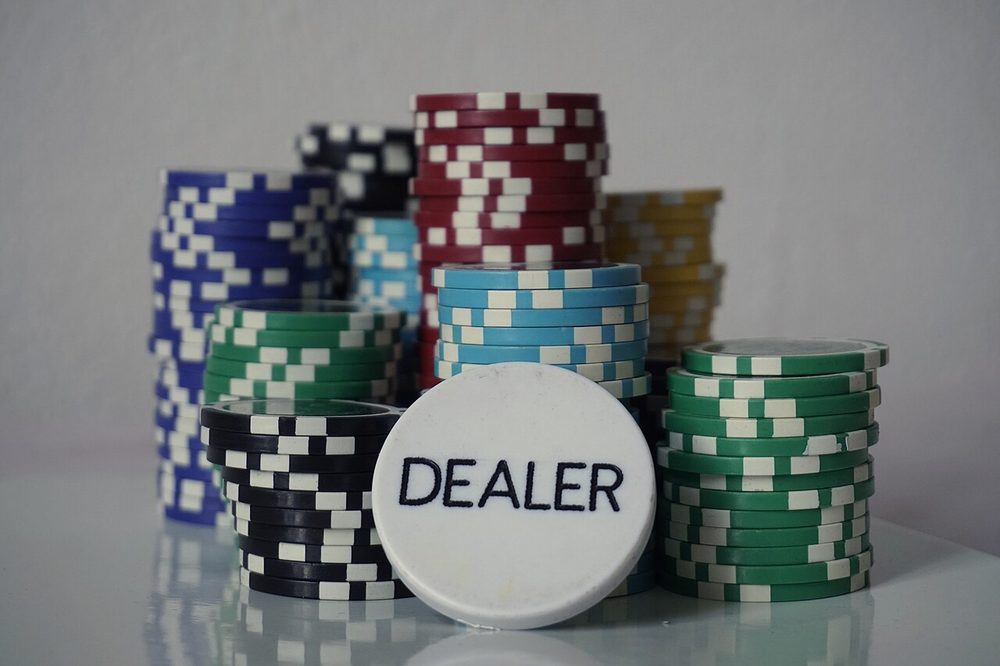
We write about poker as a game, as an industry, as a culture worth taking seriously. Taking it seriously also means saying, without hedging, that for some people this game stops being a game. This piece is not about strategy and it is not about odds. It is about the ordinary, unglamorous signs that someone's relationship with gambling has become a problem, and about what actually changed this year in how that gets tracked and addressed.
We are not clinicians, and this is not a diagnostic tool. What follows is a plain-language map of the territory, written the way we'd explain it to a friend, because most people who need this information never go looking for it in clinical language. They go looking for it, if at all, after someone else has already noticed.
What actually changed in 2026
For years, the conversation about problem gambling in poker and in gambling broadly leaned on a handful of screening instruments developed decades ago — the Lie/Bet questionnaire from the 1990s, the longer DSM-based checklists clinicians have used since. Those tools still work, but 2026 brought a genuine shift: several national regulators, including gambling commissions in the UK and in parts of the EU, moved from relying on self-report surveys toward requiring operators to monitor behavioral data directly — deposit patterns, session length, chasing patterns after losses — and flag it before a player self-identifies.
That is a real change, not a cosmetic one. It means the first warning a problem gambler now gets, in regulated markets, is increasingly automated and external rather than something they notice themselves. We think that is mostly good news, but it does not replace the need for people to understand the signs on their own. Automated flags catch patterns in account data. They don't catch what's happening in someone's head before the data ever shows it.
The signs, without the euphemism
Most lists of warning signs are written by committees and read like it. We'd rather be direct. These are the signs that, taken together, separate a person who plays poker from a person who has a problem with gambling.
- Playing with money that was budgeted for something else — rent, a bill, a loan payment — and telling yourself it's temporary.
- Chasing losses: increasing stakes or session length specifically to win back what was lost, rather than because the game itself called for it.
- Lying to people close to you about how much time or money you've spent, even small lies.
- Feeling irritable, anxious, or restless when you try to cut back or stop.
- Needing to play longer, or for bigger stakes, to get the same feeling you used to get from smaller sessions.
- Using poker as the primary way to escape stress, boredom, or a bad mood — not occasionally, but as the default.
- Borrowing money, selling things, or hiding financial moves specifically to keep playing.
- Making repeated promises to yourself to stop or cut back, and breaking them.
No single item on that list is damning by itself. Everyone has chased a loss once. The pattern matters more than any individual episode — frequency, escalation, and the presence of secrecy are the three things clinicians actually weigh.
Why poker specifically muddies the picture
Poker complicates self-assessment in a way that slot machines or roulette don't, because poker genuinely rewards skill over the long run. That fact, which is true and which we've written about before, becomes a convenient story a struggling player tells himself: I'm not gambling, I'm playing a skill game, I just need to fix my leaks. We've heard serious, thoughtful players use exactly that language to describe behavior that had nothing to do with skill and everything to do with compulsion.
The skill element doesn't cancel the risk. It just gives problem gambling in poker a better disguise than it has in a casino with a spinning wheel. A losing session can always be rationalized as a strategic failure rather than examined as a behavioral one. That rationalization is comfortable, and it's exactly why the signs above are worth checking honestly rather than explained away.
The skill in poker doesn't cancel the risk — it just gives the problem a better disguise.
Who tends to notice first
Research on gambling behavior consistently finds that the person with the problem is rarely the first to see it clearly. Partners notice changes in mood and secrecy. Friends notice someone dropping out of plans. Colleagues notice distraction or absence. If someone close to you has raised a concern about your playing, even once, even awkwardly, that observation carries more weight than your own internal sense that everything is under control — precisely because you're the one person in the situation who isn't neutral.
This is also where the 2026 regulatory shift matters practically: operators in markets with the new monitoring rules are now required, in many cases, to surface a notice to a player directly — a message, a mandatory pause, a prompt to set a limit — triggered by account behavior rather than waiting for a complaint or a self-assessment. If you've received one of those prompts and dismissed it as a glitch or an overcautious algorithm, it's worth sitting with that reaction for a minute instead of closing the window.
What to actually do with this
We're not going to tell you to call a hotline as a throwaway line at the end of an article, because that gesture is often empty. What we will say is narrower and more useful: if three or more items from that list above describe your last six months honestly, the next right step is not to white-knuckle it alone and not to keep refining your game as if the problem is technical. It's to talk to someone qualified — a counselor, a doctor, a gambling-specific support service in your country — before the financial or relational damage compounds.
- Write down, honestly, how much time and money you've spent on poker in the last month — not an estimate, the actual number.
- Notice whether you felt resistance to doing step one. That resistance is itself information.
- Tell one person you trust what you found, even if it's uncomfortable.
- If a self-exclusion or deposit-limit tool exists where you play, consider using it before you think you need it.
None of this requires you to decide poker is bad or that you need to quit forever. It requires only that you look at the pattern instead of the story you've been telling yourself about it.
We write about poker because we think it's worth taking seriously as a game, a craft, and an industry. Taking it seriously means not looking away from the part of it that hurts some people. The signs are not mysterious and they are not rare. What changed in 2026 is that the systems around the game are, in places, finally watching for them too. That doesn't replace watching for them yourself.
If this is your lane, these go deeper: bankroll management and cash games vs tournaments. For more poker writing in English and Spanish, follow us on Facebook.