 EntrePoker
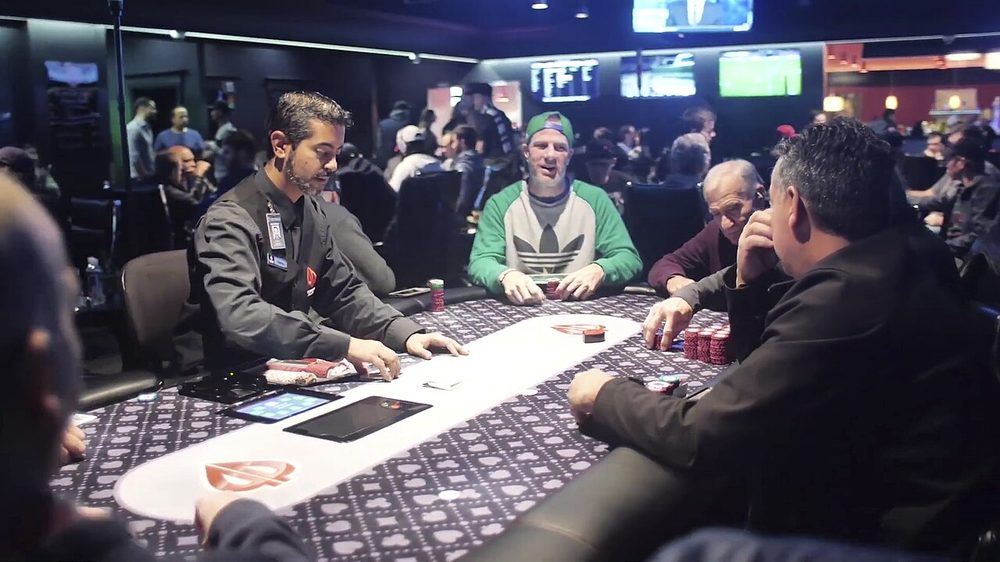
Out of position isn't an exception, it's half your poker
It's easy to treat playing out of position as a special situation you have to endure occasionally, when it's actually a structural part of the game: at any table, in half the hands you'll act before at least one relevant opponent. If your strategy only accounts for having position, you're leaving half your poker unresolved. It's worth treating out-of-position play as a separate skill that gets trained on purpose, not as a bad stretch you just have to get through.
The real disadvantage of being out of position is informational, not about your cards
It's worth understanding clearly why being out of position is a disadvantage, because the reason isn't intuitive at first: your cards don't change based on where you're seated. What changes is the order in which information gets revealed. Out of position, you have to decide your action before seeing what your opponent does, which means you're making every decision with less information. That disadvantage compounds across the whole hand: on every subsequent street, you keep acting first, you keep knowing less than your opponent at the exact moment you have to decide.
Tighten your range before entering the pot
The most basic and important adjustment for playing out of position is simply playing fewer hands. A hand that's profitable with position can stop being profitable out of position, because the information edge your opponent has offsets part of your hand's value. This doesn't mean playing passively or scared — it means being more selective before committing to a hand you'll have to play at an information disadvantage for the rest of the pot. The more streets left to play, the more that accumulated disadvantage weighs.
- Tighten your entering range when you know you'll be out of position for the rest of the hand
- Prefer hands that play well without needing much of a read on the opponent — clear value or well-defined draws
- Use larger bet sizes when betting out of position, to compensate for less information with fewer streets played
- Don't turn checking into your automatic default — sometimes betting first pulls you out of the information gap before it compounds
- Simplify your hand plan before the flop even comes, instead of improvising street by street with no structure
Out of position, you didn't lose a card — you lost your turn to react, and that has to be compensated for beforehand, not during.
Betting first can beat waiting to see what the opponent does
A common instinct, especially in players who are just starting to grasp the concept of position, is to react to the disadvantage by playing extremely passively: always checking, waiting to see what the opponent does before committing chips. The problem is that constant checking, far from resolving the information gap, sometimes deepens it — you're giving your opponent the chance to dictate the pace of the hand on every street. In many cases, betting first yourself — taking the initiative despite being out of position — is a way to reclaim some control over how the hand develops, instead of resigning yourself to reacting the whole time.
Simplifying the hand plan makes up for what the lack of information won't let you improvise
With position, you can play more reactively because you get extra information on every decision to adjust your plan on the fly. Out of position, that flexibility shrinks, so it's worth compensating by planning the hand further ahead: before the flop even comes, think about which types of flops you want to bet, which ones you'd rather check, and what you'll do if the opponent responds a certain way. Having that plan set in advance reduces how many decisions you have to improvise without enough information at the exact moment it's hardest.
Your bet sizing can offset part of the disadvantage
One way to compensate for the lack of information out of position is betting slightly larger than you would with position in the same spot. The logic is that, with fewer clear streets of information ahead, it's better to resolve more value or more pressure in fewer decisions, instead of slowly building the pot across several streets where you're at a disadvantage on each one. This isn't an absolute rule for every hand, but it's a general tendency worth keeping in mind when planning your out-of-position strategy.
Accepting the disadvantage beats denying it
The most expensive mistake made while playing out of position isn't a single tactical decision — it's the underlying attitude: trying to play exactly the same as with position, as if the disadvantage didn't exist. The players who handle being out of position best are the ones who accept upfront that they'll have less information, adjust their hand selection accordingly, and build a plan that doesn't depend on reacting perfectly to every opponent move. That acceptance, more than any specific trick, is what separates someone who suffers through being out of position from someone who simply plays differently when it's their turn to be.
If this is your lane, these go deeper: cash games vs tournaments and why position wins pots. For more poker writing in English and Spanish, follow us on Facebook.