 EntrePoker
The game that started fine and fell apart two hours in
You've probably seen this: a group of friends sets up a game, everyone's excited, and two hours in someone's arguing about whether a bet was valid or whether someone accidentally glimpsed another player's cards. Nobody agreed on the basic rules beforehand, and that lack of upfront agreement is what wrecks the night. You don't need to run a casino to avoid this. You need to settle four or five things before the first card is dealt, and stick to them the same way you would at any serious table.
Decide the structure before anyone walks through the door
The first thing to settle, before anyone sits down, is what you're actually playing: cash game or tournament, and at what buy-in. In a home setting, cash game is often easier to manage because people can arrive and leave at different times without breaking the flow. A tournament requires everyone to start and finish together, which works better if the group's schedules line up. Also decide the starting blinds and how they'll increase if it's a tournament, and the buy-in cap if it's cash — this keeps someone from sitting down with ten times everyone else's stack and warping the table dynamic.
Chips need a clear, written value before you start
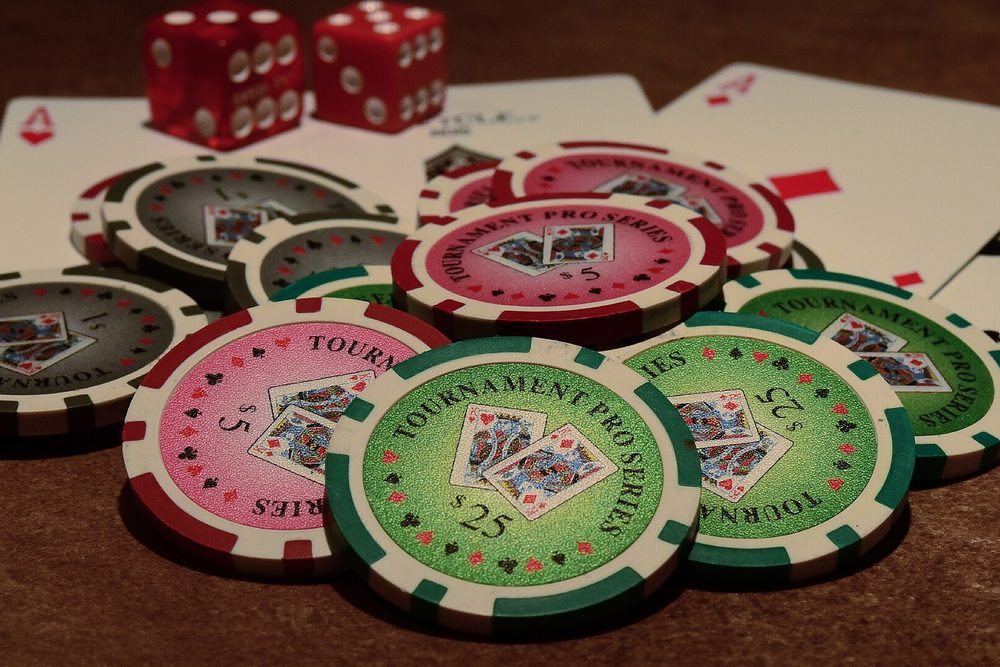
One of the most common conflicts in home games is ambiguity about what each chip is worth. If someone brings cash and doesn't know exactly how many chips it buys, or if different people assume different values, you'll end up arguing math instead of playing. Before the first guest arrives, write down somewhere visible — a piece of paper, a group chat — what each chip color is worth and what a buy-in costs. It's one minute of work that saves half an hour of confusion later.
- Decide in advance: cash game or tournament, and the exact buy-in
- Write down the value of each chip color before people arrive
- Name a single banker — don't let several people handle the money at once
- Agree on whether rebuys are allowed and up to what point in the game
- Set a rough closing time, even a flexible one, so nobody feels trapped
Most fights in home games aren't about poker — they're about rules nobody agreed to out loud.
One banker, no exceptions
It's tempting to let everyone manage their own stack and their own cash, especially among friends where trust runs high. But once several people are exchanging cash for chips at the same time with no central record, it's almost inevitable that the numbers won't add up by the end of the night. Pick one person — ideally someone sitting out that hand, or rotate the role — to be the sole point of contact for buying chips and cashing out at the end. This isn't about distrust of the group; it's about avoiding counting errors that later get read as something worse.
Table etiquette matters at home just as much as anywhere else
In a home game it's easy to let slide etiquette that gets followed without question in a more formal setting: talking about a hand while it's still live, showing your cards to someone who already folded, acting out of turn to 'speed things up.' These seemingly small things build up resentment and end up being the real cause of arguments that appear to be about something else. Establish from the start, even casually, that a live hand doesn't get discussed and that folded cards stay face down until showdown.
Drinking and serious poker mix less well than it seems
It's a home game, not a professional tournament, so having drinks around makes sense. The point isn't to ban it, but to be aware that as the night goes on, decisions get more impulsive and rule disputes get harder to resolve calmly. If you notice the group's judgment starting to slip, that's a good moment to slow the game down, not to raise the stakes.
Closing well matters as much as starting well
Decide ahead of time how payouts will be settled at the end: who owes whom, when, and how. Leaving this for the last minute, when people are tired and want to leave, is a perfect recipe for someone walking away feeling shortchanged or overcharged. If your group plays regularly, consider keeping a simple running record across sessions — who's up overall — so a single night's swing doesn't feel so personal. A well-organized home game runs for years; a poorly organized one lasts one memorable night for all the wrong reasons.
If this is your lane, these go deeper: pot odds and equity and why position wins pots. For more poker writing in English and Spanish, follow us on Facebook.