 EntrePoker
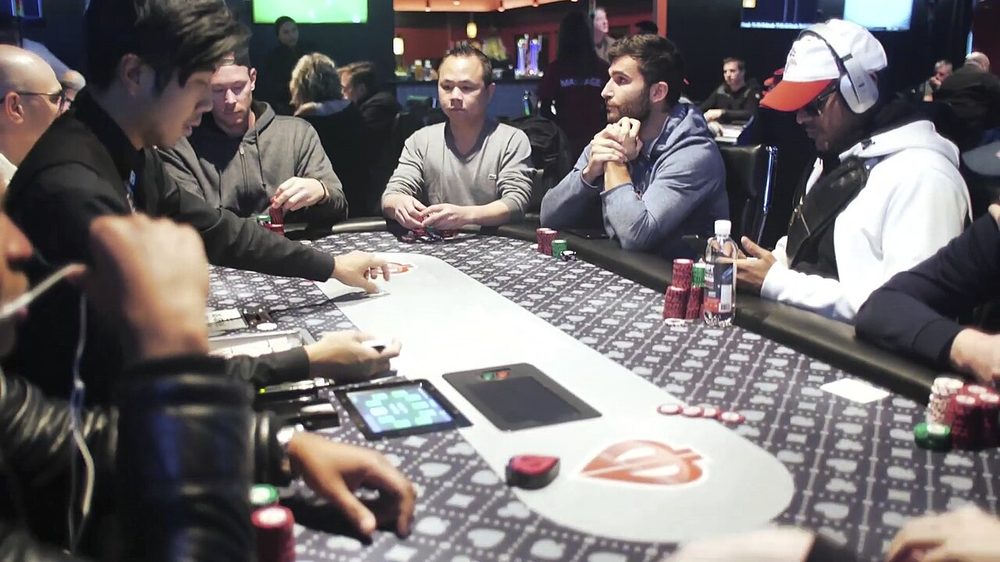
You spent two hours studying preflop solutions, watched six videos about GTO, learned for the third time what ICM means. Then you sat down at a table full of regulars who play better than you, played 300 hands, lost money, and decided you needed to study more. Wrong. You didn't need to study. You needed to change tables.
What game selection actually is
Game selection is the ability to look at a lobby, see every option available, and choose the game where you're likely to be the best or second-best player. It's not picking a good seat. It's picking a game where your edge is actually exploitable.
In a six-max game with two whales, an amateur drinking and three competent regulars, your task is completely different than in a game where all six players are tight regulars. Your GTO knowledge didn't change between those two tables, but your expected value per hand changed by a factor of ten.
Why almost nobody teaches it
Because it doesn't sell. A video of a coach playing GTO charts looks professional and competent. A video of a coach staring at the lobby for five minutes and saying "this game is no good, I'm leaving" looks lazy. The truth is the second person is going to make more money, but there's a problem: you can't go viral teaching game selection principles.
That's why poker education is completely backwards. It spends 95% of its content teaching how to play a single hand better when the reality is that hand was already won or lost when you chose which table to sit down at.
The three questions you should ask before sitting down
- Is there someone at this table who plays noticeably worse than me? That's your reference point. If there's nobody clearly weaker than you, the game isn't profitable for you. It doesn't matter how much better you are than the national average: if everyone at that table is similar to you or better, your edge evaporates.
- Are there at least two recreational players? If there's barely one and the rest are regulars, the regulars are going to prioritize taking money from that fish, not from you. You end up playing against people better than you, not against the whale.
- Can I play 6-8 hours without the composition changing? A table that loses one good player and gains a regular is a table that got worse. If you're thinking in these terms when choosing, you choose better.
What everyone sees but doesn't want to acknowledge
There's a moment in almost every lobby where you realize: this game is going to be slow, it's going to take forever to make money, there's not enough soft action. And most players sit down anyway. Because sitting is easy and changing tables is slightly uncomfortable. Because it's hard to admit that your priorities were wrong.
Poker with one bad player against five good ones is a tough game. Poker with five players against one excellent one is an impossible game. Game selection is choosing to be the first, never the second.
One whale isn't enough
There's a common distortion: "this table has a whale, so it must be good." Not necessarily. If there's one whale and four competent regulars, you're in the worst possible spot. The regulars know that money is coming from the whale, so they'll play tighter, they'll let you make the tough decisions against her and wait for their spot.
A good game is one where soft money is distributed, not concentrated. Two amateurs are better than one whale surrounded by regulars. That's why casual social games after 11 PM tend to be more profitable than normal early-afternoon games: there are more people playing worse, more casually.
The uncomfortable truth
If you spend an hour in the lobby waiting for the perfect game to open instead of sitting in the mediocre game available now, you're probably making the right decision. Your long-term results depend far more on that waiting than on how well you play hands once you sit down.
And if you're in a game with no potential, the five minutes it takes to change tables are five minutes of losses you won't have. That more than makes up for the interruption.
If this is your lane, these go deeper: cash games vs tournaments and bankroll management. For more poker writing in English and Spanish, follow us on Facebook.
EntrePoker has affiliate agreements with two rooms today: Americas Cardroom, on the WPN network, and WPT Global. Every other room we cover is a plain link to its own site.
Visit Americas Cardroom Visit WPT Global
18+ Affiliate links: if you sign up through them, EntrePoker may earn a commission at no extra cost to you. It does not change what we write. Full disclosure · Responsible gaming